Serengeti National Park safari guide

A Serengeti safari planned around where the wildlife will be—and how you want the days to feel.

The Serengeti is not one single experience. Northern river country, central plains and the southern short-grass areas each ask for different timing, flights, camps and pacing. We make those choices clear before you travel.

Three distinct regionsNorth, central and south suit different travel windows
Road or fly-inChoose the connection that protects your time in the park
Private guidingDays can follow sightings, light and your own pace
Mid-range to high-endStay choices explained in terms that matter to you

Start with the right Serengeti

The park is vast. The right location makes the safari.

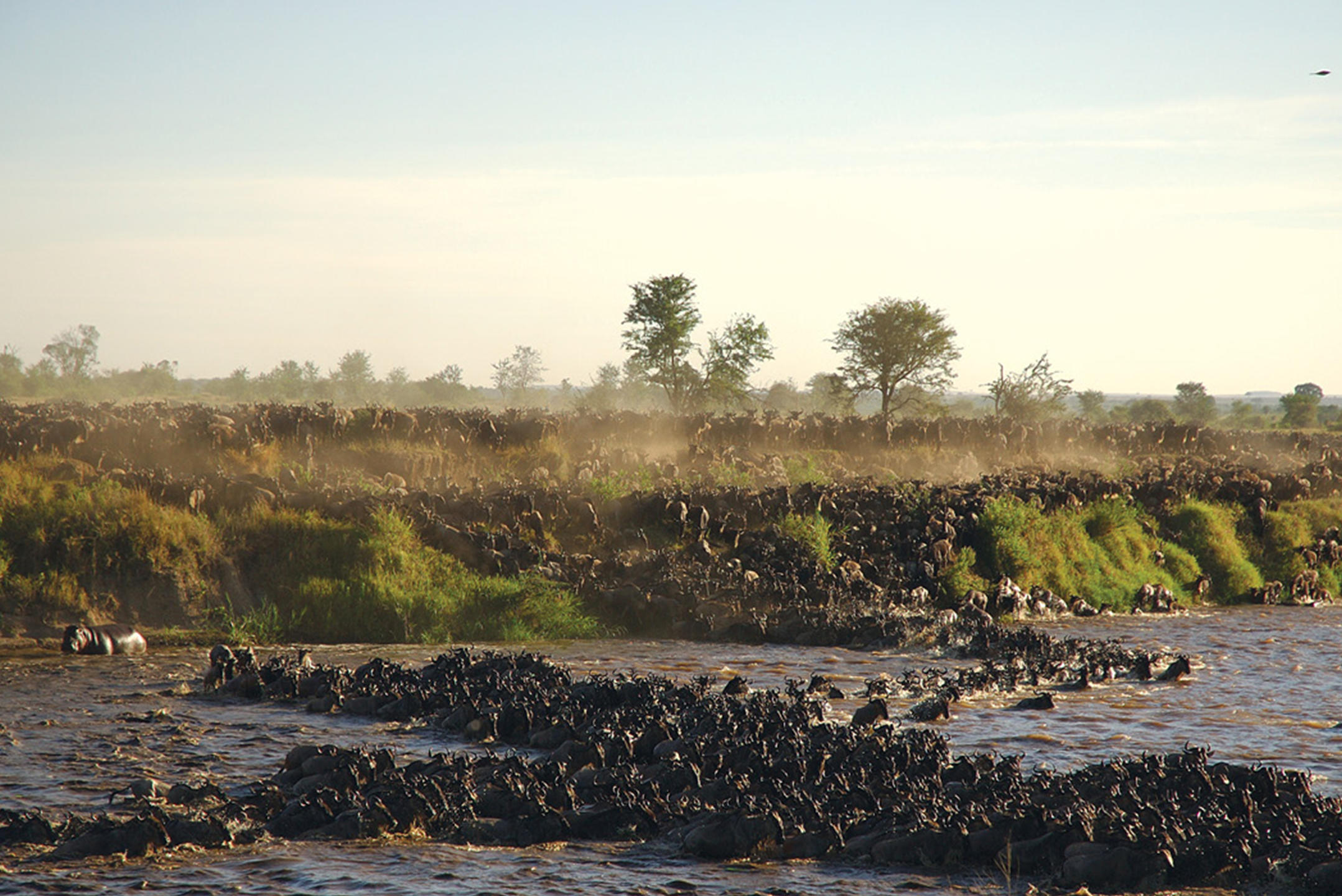
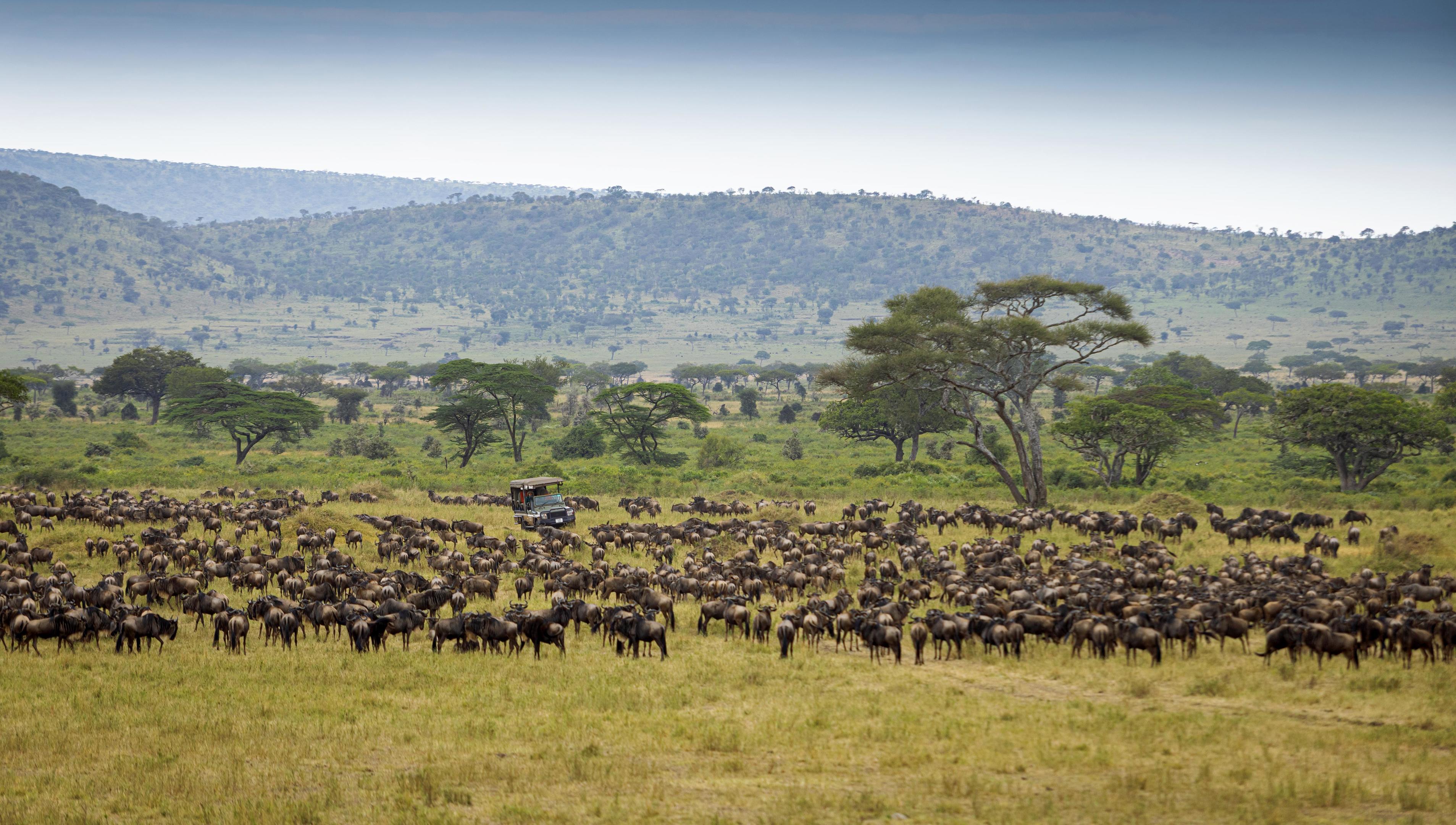
There is always a reason to visit the Serengeti, but there is no single camp area or route that is right for every date. Resident wildlife makes the central Serengeti rewarding throughout the year. The north comes into its own when the migration and Mara River country are the priority. The southern plains are particularly compelling when the herds are feeding and calving in the wider Ndutu area.

A strong private safari begins by matching your travel window to the most worthwhile region, then allowing enough nights to enjoy it. From there, we consider whether a scenic drive, a scheduled light aircraft or a private charter gives you the best use of time; which camp style suits you; and how Serengeti fits with Ngorongoro, Tarangire or a beach finish.

You will receive practical choices, not a generic list: what each option changes, which route is sensible for your party and where there is room to make the experience more comfortable, more private or more relaxed.

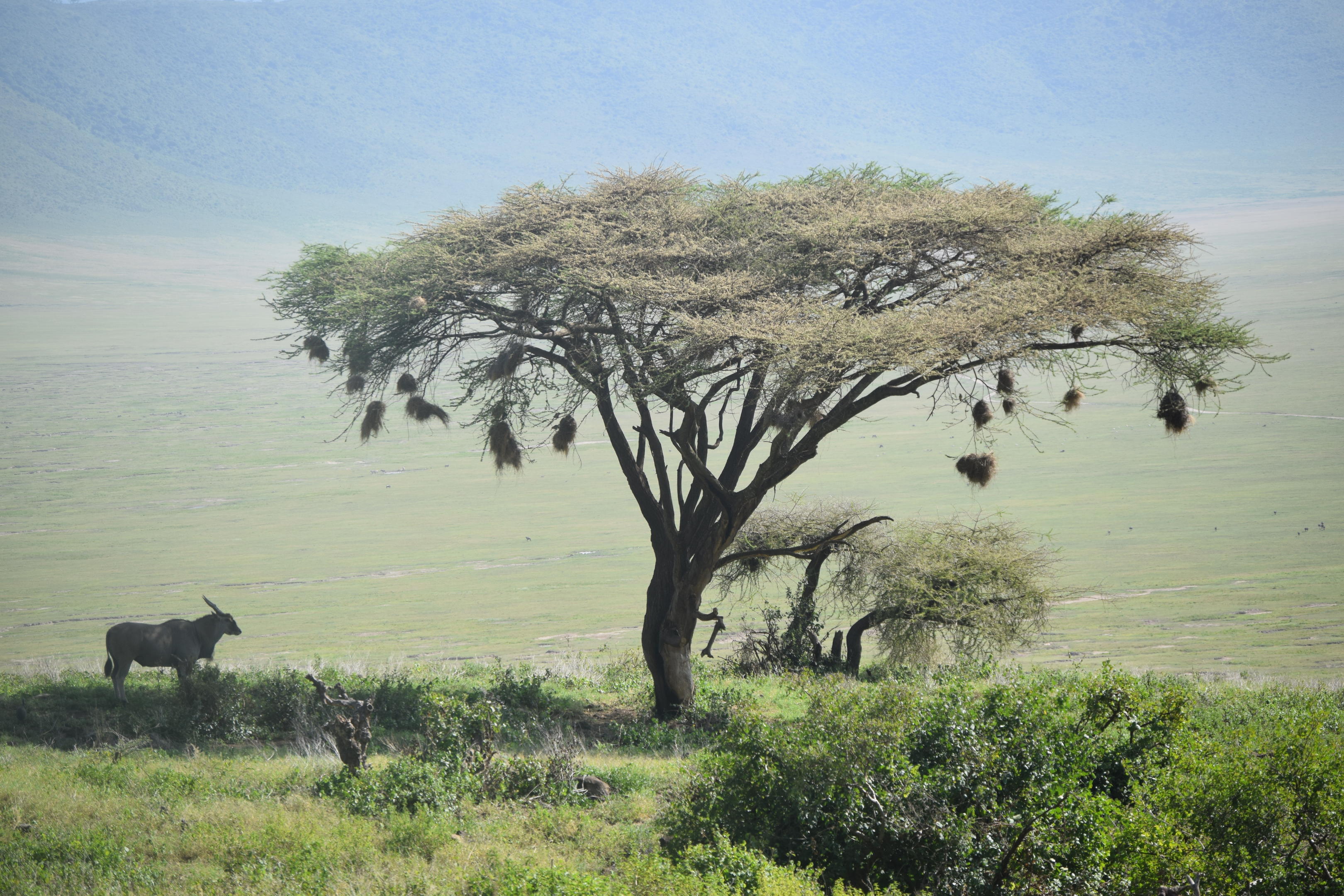
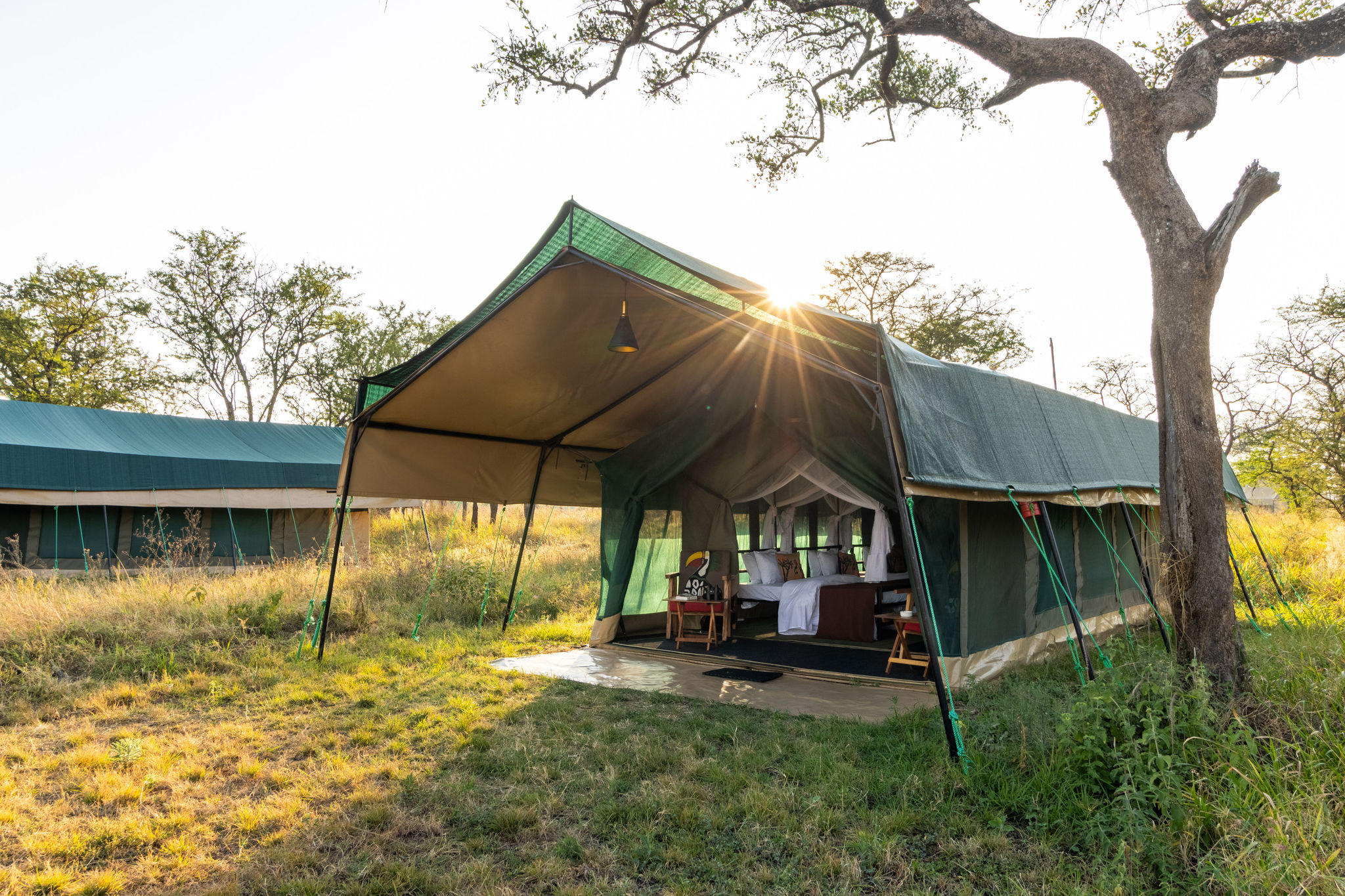
Open Serengeti landscape viewed from a safari camp

Where you stay

A camp should put you close to the reason you came.

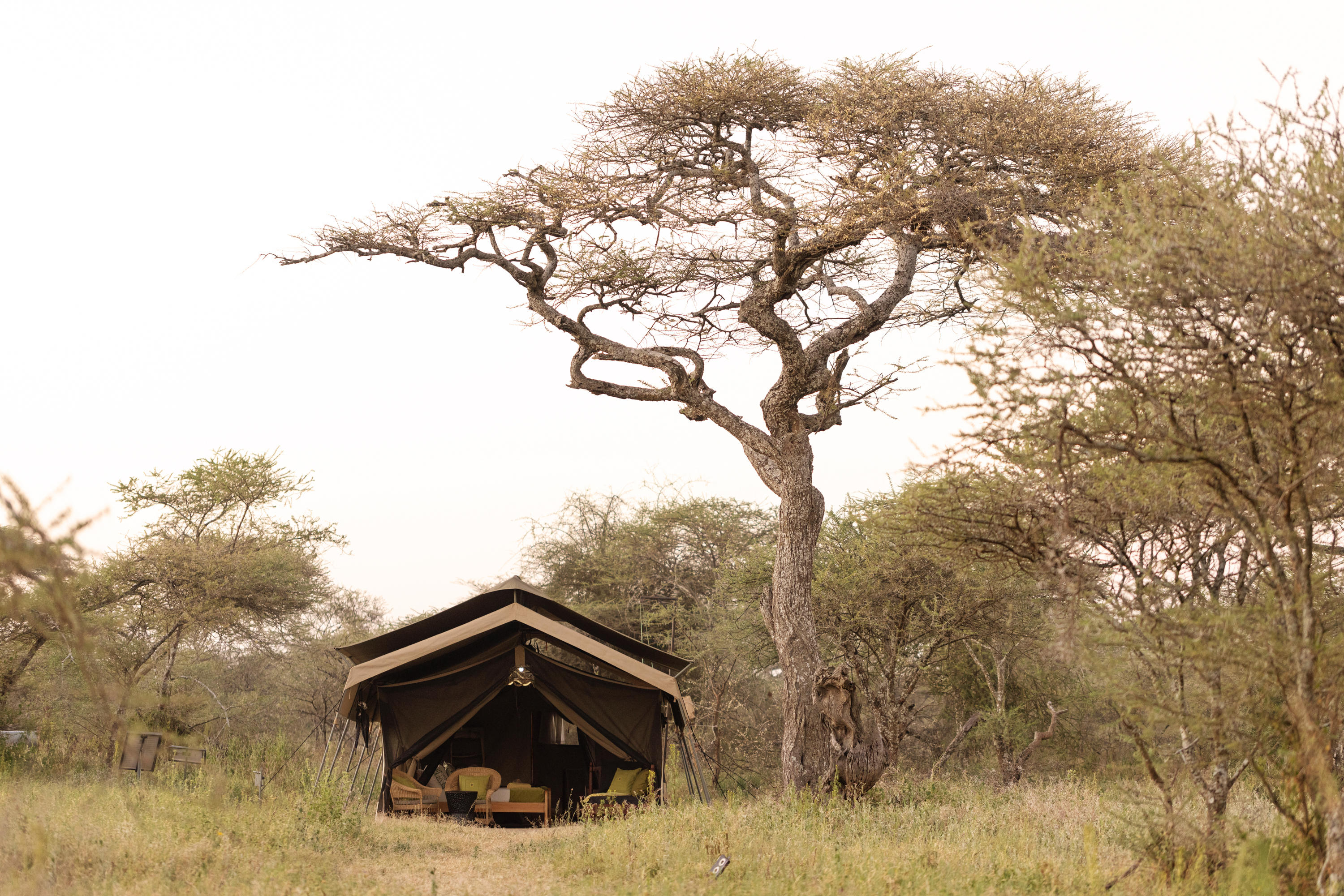
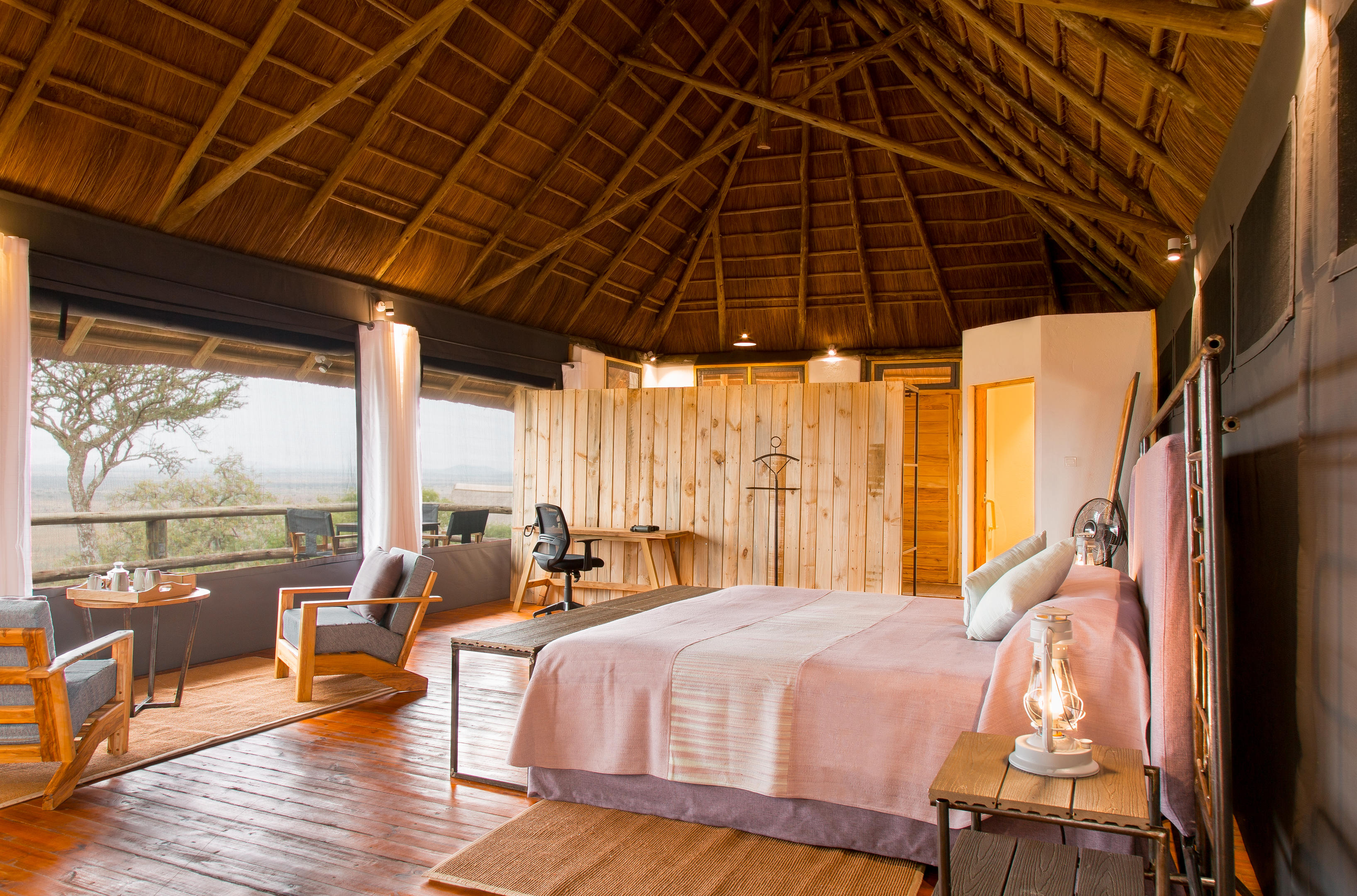
In the Serengeti, accommodation is more than a room category. A well-placed tented camp can give you an earlier start in the right wildlife area; a lodge can bring more facilities and a stronger sense of arrival; and a private high-end property can create greater seclusion and flexibility around the day.

We compare location, tent or suite style, service, privacy and the practical impact on driving time. That makes the decision usable, whether you want thoughtful mid-range value, private luxury or a high-end safari with every detail considered.

Compare Serengeti stay options

Getting there well

Flights, airstrips and gates are part of the route—not an afterthought.

We build every transfer around the area you are actually visiting. Flight schedules, airstrip operations and gate arrangements are confirmed for your dates before your itinerary is finalised.

Serengeti airstrips

Choose the landing point that protects your safari time.

Seronera serves the central circuit; Kogatende and Lamai support northern routes; Lobo, Kusini and Kirawira can be useful for particular areas. We compare flight timing, baggage allowance, lodge transfers and the effect on your first and last day.

Read the Serengeti airstrip guide
Serengeti gates and roads

Enter and exit with a realistic, comfortable plan.

Naabi Hill is an important southern approach; other official entries support western, northern and regional routes. Park conditions, permits and the overall circuit determine the best plan—not a copied driving schedule.

Read the gates and road access guide

What a well-paced route does

It gives the Serengeti room to surprise you.

01 · Location first

We begin with season and region.

That prevents a long transfer or the wrong camp area from consuming the wildlife time you came for.

02 · Drive time in perspective

We do not disguise a demanding day.

Every road movement is explained honestly, with flight alternatives where they make the experience materially better.

03 · Your own rhythm

Private guiding keeps the day flexible.

Stay longer with a sighting, return for lunch or move on when you are ready—the day belongs to your party.

Plan with confidence

Useful Serengeti planning questions.

When is the best time for a Serengeti safari?

The Serengeti can be rewarding in every season. The most useful question is what you want to prioritise: resident wildlife, the migration, calving, Mara River country, photography, a quieter camp atmosphere or a particular style of travel. We align the region and route to that priority rather than give one broad answer.

How many nights should I allow in the Serengeti?

Three nights in one carefully chosen area makes a strong first experience. Four or more nights give room to explore a region more deeply or combine two areas without turning the safari into a transfer schedule. We advise after looking at the rest of your Tanzania route.

Should I drive or fly between Serengeti and the other parks?

Both can work. A road route is immersive when the journey itself is part of the appeal; a flight can protect valuable wildlife time and reduce demanding distances. We explain the trade-off clearly, including timing, baggage and the real impact on each day.

Can we combine Serengeti with Ngorongoro, Tarangire or Zanzibar?

Yes. Serengeti combines naturally with the northern circuit and can finish with Zanzibar. The important part is allowing each place enough time and choosing transfers that make the experience flow rather than feel rushed.

Start with your dates

Tell us what matters most in your Serengeti safari.

Share your travel window, the people travelling and the comfort level you have in mind. We will return with the right Serengeti region, a realistic route and accommodation choices that fit the journey.

Plan a private Serengeti safari