When standard travel guides talk about the best time to visit Tanzania safari destinations, they universally point to the dry wUbuntu months from July to October. Consequently, the long rainy months of April and May are frequently labeled as times to avoid. However, for seasoned travel planners and photography purists, a Tanzania green season safari is considered one of the best-kept industry secrets.
As a direct operator based on the ground in Arusha, I look at tracking metrics throughout the entire calendar year. Planning an April safari Tanzania loop or a May safari Tanzania itinerary introduces unique operational trade-offs. The landscape changes into an emerald paradise, the crowds disappear completely, and the safari cost Tanzania green season metrics drop to their lowest levels of the year. Let's look honestly at what to expect under the rain clouds.
"The green season is not for travelers who want perfectly dry, dusty tracks. It is engineered for those who seek dramatic skies, crisp atmospheric lighting, newborn wildlife, and absolute isolation across the savanna."
— The Roaming Masai Guide Safaris, The Roaming Masai Guide SafarisThe Structural Shift: Pacing & Puddles
During April and May, the heavy monsoon rains refresh the plains of East Africa. This does not mean it rains continuously for 24 hours a day; rather, the standard pattern involves clear, humid mornings followed by dramatic, heavy downpours in the late afternoon and night.
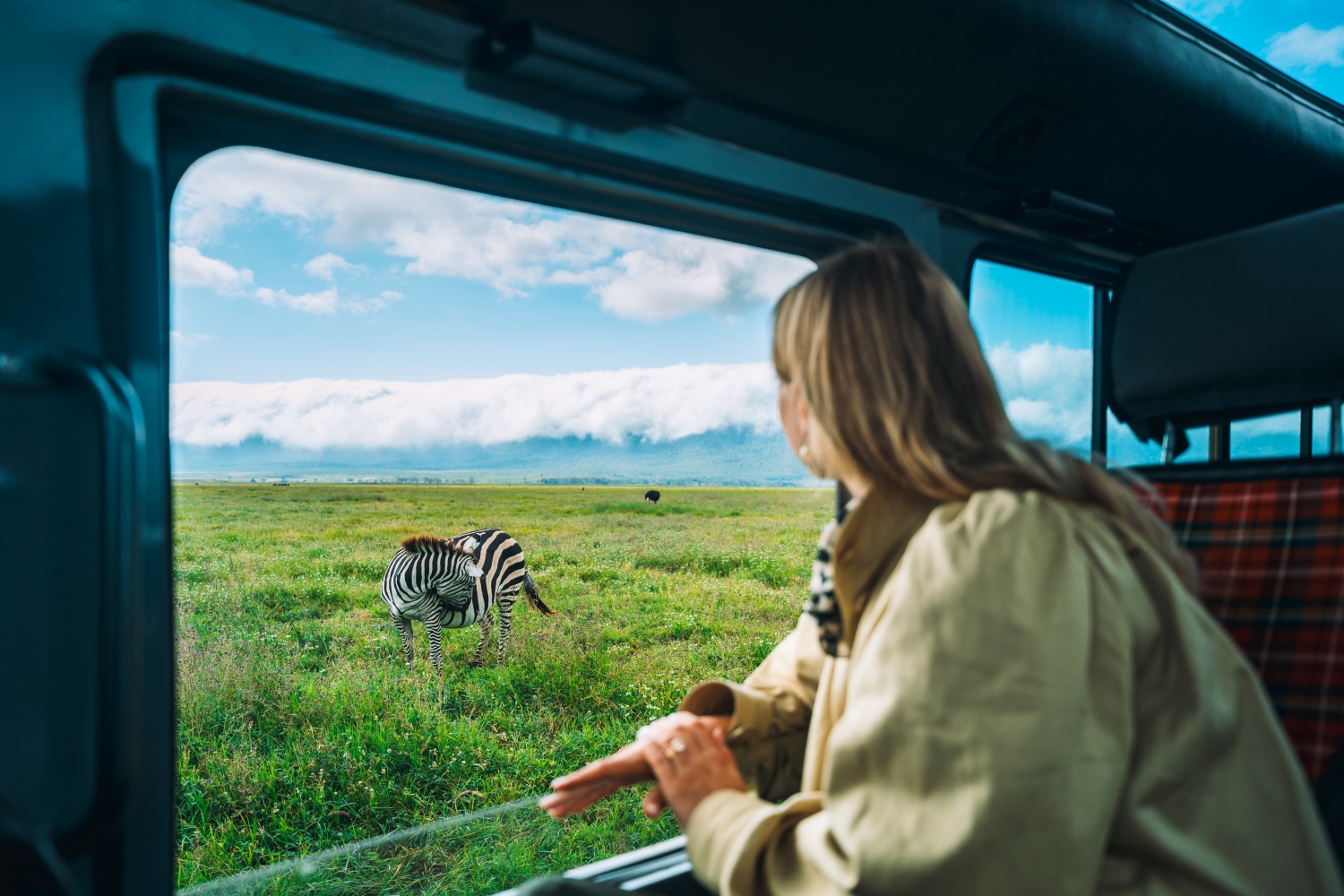
This moisture completely reshapes the landscape. Dust vanishes from the air, providing crisp clarity that makes a Serengeti green season safari an absolute dream for professional photographers. However, the dirt tracks turn into sticky cotton-soil mud. This is exactly why your choice of operator is critical: a Tanzania low season safari demands a customized 4x4 land cruiser with professional suspension, recovery gear, and a guide who knows how to handle deep mud crossings safely.
| Safari Component | Peak Dry Season (Jul–Oct) | Green Season (Apr–May) |
|---|---|---|
| Landscape Color Matrix | Dusty, tawny gold, dry shrubs | Vivid emerald green, blooming wild flora |
| Vehicle Congestion Density | High (Multiple cruisers at premium sightings) | Absolute Minimum (Often completely solo) |
| Lodge Accommodation Costs | Peak Tier Tariffs (Standard rates apply) | Low-Season Discounts (Up to 40% savings) |
| Great Migration Position | Northern River Crossings (Mara River) | Central plains trekking toward Western Corridor |
| Atmospheric Dust Levels | High (Requires camera body protection) | Zero (Crisp, perfectly clear air values) |
Tracking the Migration Herds in the Long Rains
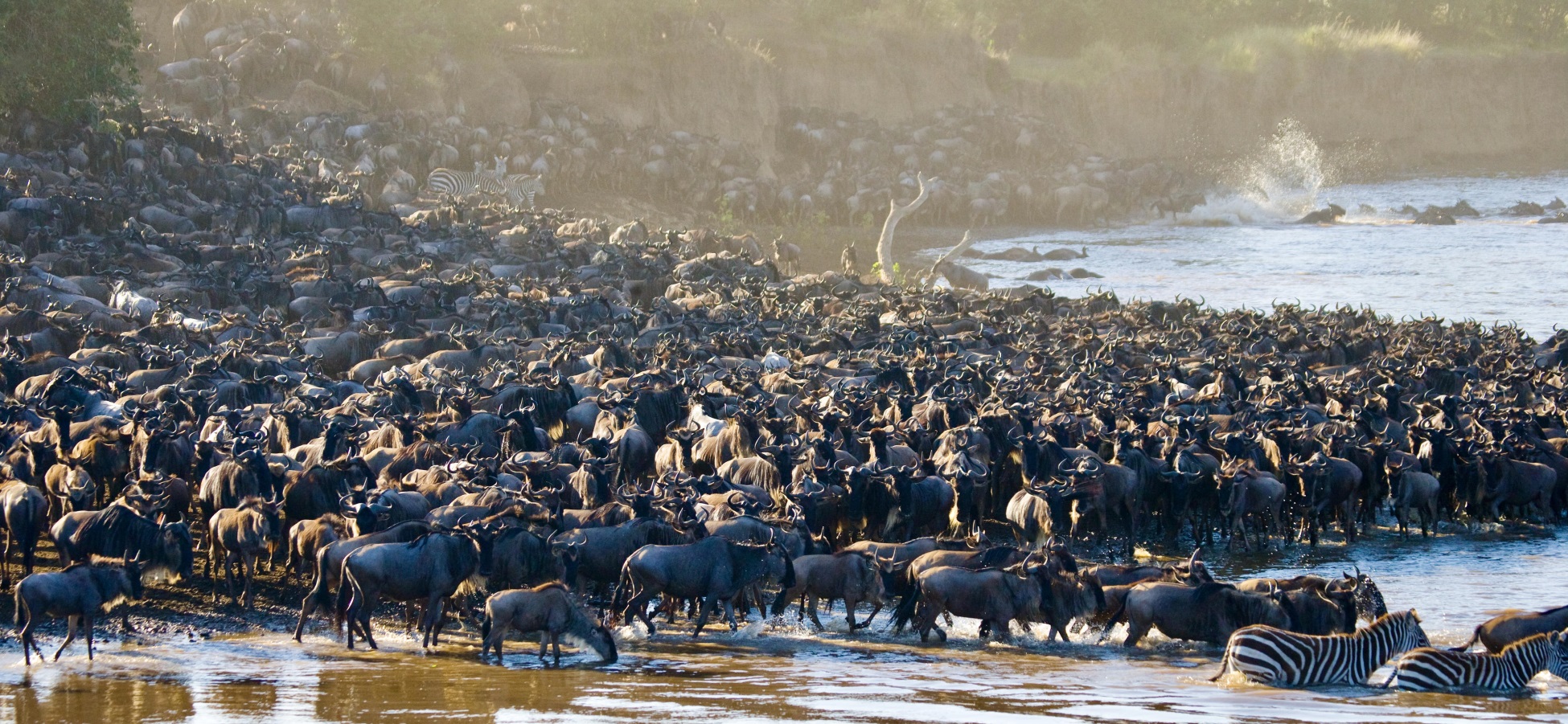
A common misconception is that the wildebeest vanish when the rains arrive. In reality, the Great Migration is a continuous year-round cycle. During April and May, having gorged on the mineral-rich short grasses of the south, the massive columns begin moving northwest.
The herds pass directly through the central Seronera valley and branch into the Western Corridor near the Grumeti River. Because the grass is lush and surface water is everywhere, the animals are strong and energetic. This abundance of grazing means you will see thousands of calves running across the green valleys, closely trailed by the Serengeti’s resident apex predators.
The Financial Advantage: Premium for Less
The most obvious benefit of planning a safari during the long rains is the significant financial savings. Top-tier luxury tented camps that command premium prices in August slash their rates dramatically to fill empty beds.
This allows us to design mid-range budget itineraries that utilize elite luxury properties, giving you access to high-end canvas suites and private verandas for a fraction of the standard cost. If you want to experience an uncrowded, premium safari without paying peak rates, April and May offer an unmatched window of opportunity.
Direct Field Perspectives: Green Season FAQ
Clear logistical guidance from The Roaming Masai Guide Safaris to safeguard your expectations during the rainy months.
Is April and May a good time for a Tanzania safari?
Yes, provided your goals align with the season. If your priority is avoiding crowds, capturing spectacular landscapes, and saving money on premium lodges, it is an excellent time. However, if you are uncomfortable with muddy roads or occasional afternoon downpours, you may want to stick to the traditional dry months.
How much cheaper is a green season safari compared to high season?
The total safari cost Tanzania green season model drops substantially due to lodge discounts. While fixed costs like park permits and private vehicle preservation fees remain unchanged, luxury accommodations often slash their tariffs by 30% to 50%, allowing us to optimize your overall budget significantly.
Can we see the Great Migration during April and May in the Serengeti?
Absolutely. The migration herds do not leave the Serengeti; they simply shift locations. During April and May, they form massive, moving columns trekking through the central valley toward the Western Corridor, providing incredible, crowd-free tracking opportunities.
Does it rain all day during a green season safari in Tanzania?
No, continuous all-day rain is quite rare. The standard pattern features bright, clear mornings that are excellent for early game tracking. The heavy convective downpours typically break in the late afternoon or overnight, clearing the sky for the following dawn.
Are safari lodges open in the Serengeti and Ngorongoro during April and May?
While some smaller mobile camps close temporarily for routine maintenance during the wet months, the majority of premium permanent lodges and luxury tented properties remain fully operational. We ensure your itinerary utilizes properties that handle rainy conditions perfectly.
What should I pack for a green season safari in April or May?
A premium waterproof rain shell jacket is essential. You should also pack high-traction, waterproof trail shoes for out-of-vehicle stops, lightweight quick-dry safari trousers, and a reliable dry-bag to shield your camera equipment from sudden afternoon cloudbursts.
Is the malaria risk higher during the green season months?
Because standing water increases mosquito breeding cycles, the statistical presence of insects rises during wet months. However, our safari lodges utilize heavy netting and regular pest controls. We strongly advise consulting your travel doctor for a preventative malaria prophylaxis routine before your arrival date.
Can you combine a green season safari with a Zanzibar beach holiday?
Yes, but you must expect seasonal shifts on the coast. The long rains affect Zanzibar during April and May, bringing tropical downpours and high humidity. While beach resorts offer deep discounts, some boutique properties close completely for renovations. Contact our consultants to evaluate resort operational schedules before booking.