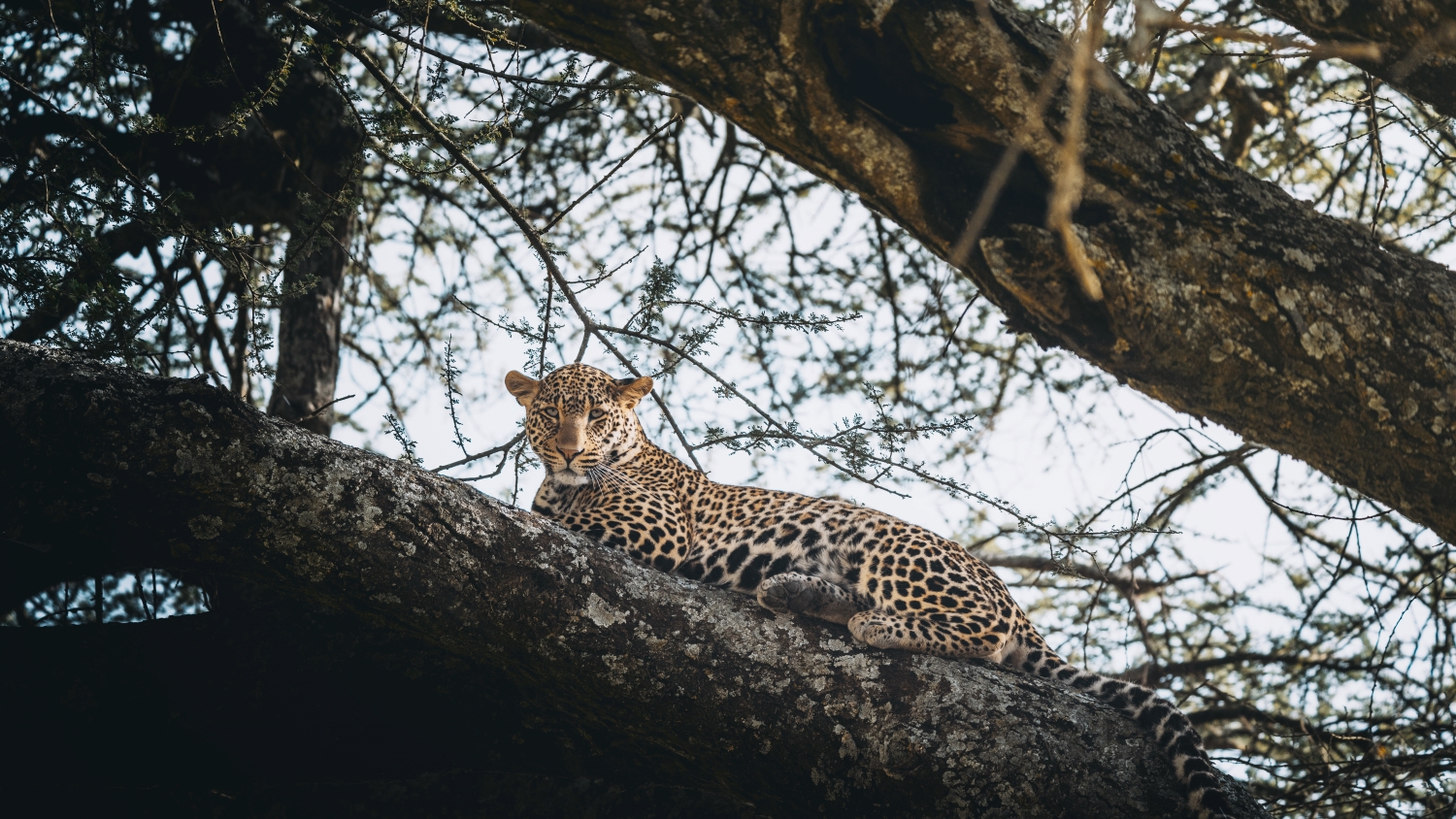
Central Serengeti
Resident wildlife, all year
Seronera’s kopjes, rivers and open grassland make it an excellent base for big cats and varied game viewing in every season.
Explore Central Serengeti →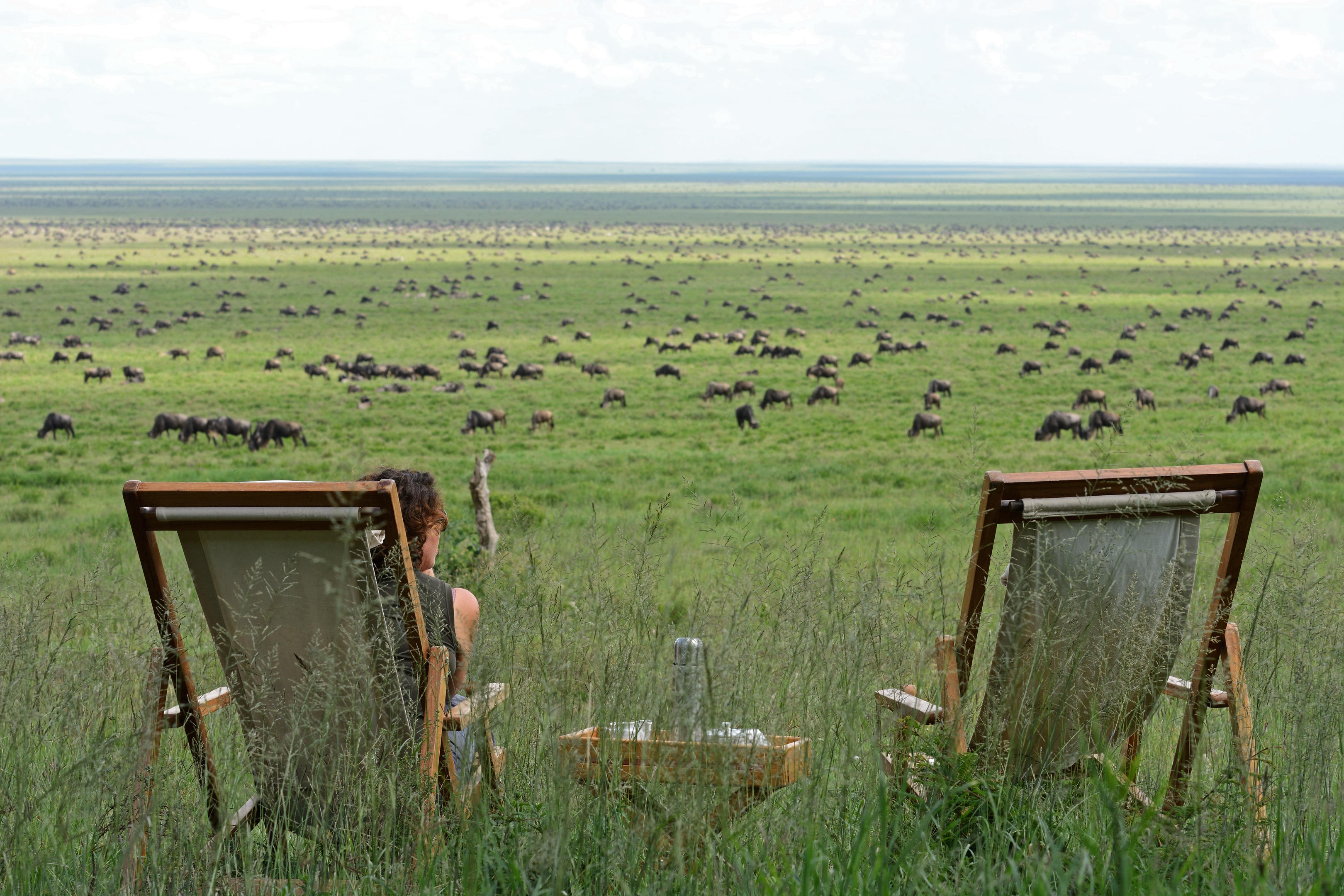
Tanzania safari destination
The Serengeti is not one safari experience. Central Seronera is strong for resident wildlife; the north can suit migration timing; and the south changes beautifully with the rains. We plan the right area for your dates, then give it enough nights to be worthwhile.
A practical starting point
Migration movement is shaped by rain and grazing, so no ethical operator can guarantee a river crossing. A good itinerary focuses on the landscape, resident game and camp position first, while using the season to improve your chances of seeing the movement you came for.
For many first-time visitors, three or four nights split between the Central Serengeti and one seasonal area create a calmer, richer safari than a fast circuit built around long drives.
Discuss your dates with a specialist →Choose your Serengeti
We use your travel window, interests and preferred accommodation level to decide whether to concentrate your time or link two areas well.
Seronera’s kopjes, rivers and open grassland make it an excellent base for big cats and varied game viewing in every season.
Explore Central Serengeti →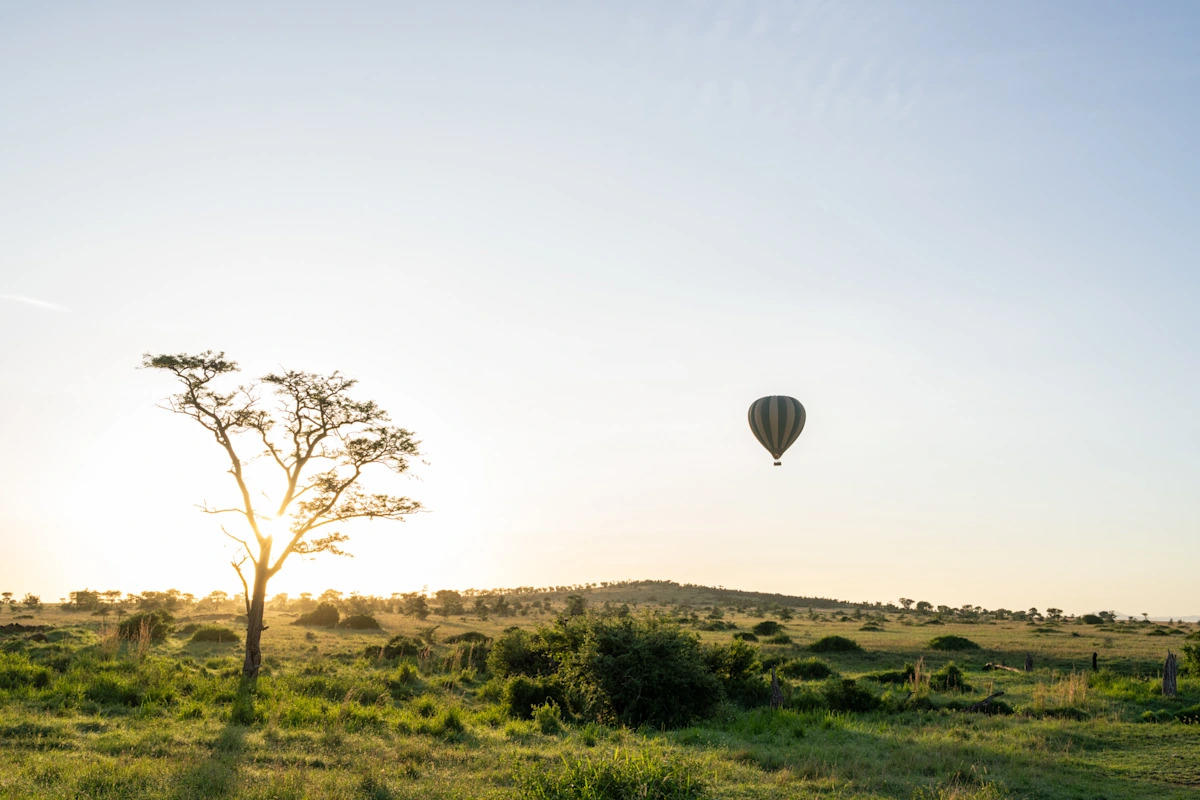
Between roughly July and October, private fly-in routing can place you near the Mara River without turning the trip into a chase.
Explore migration planning →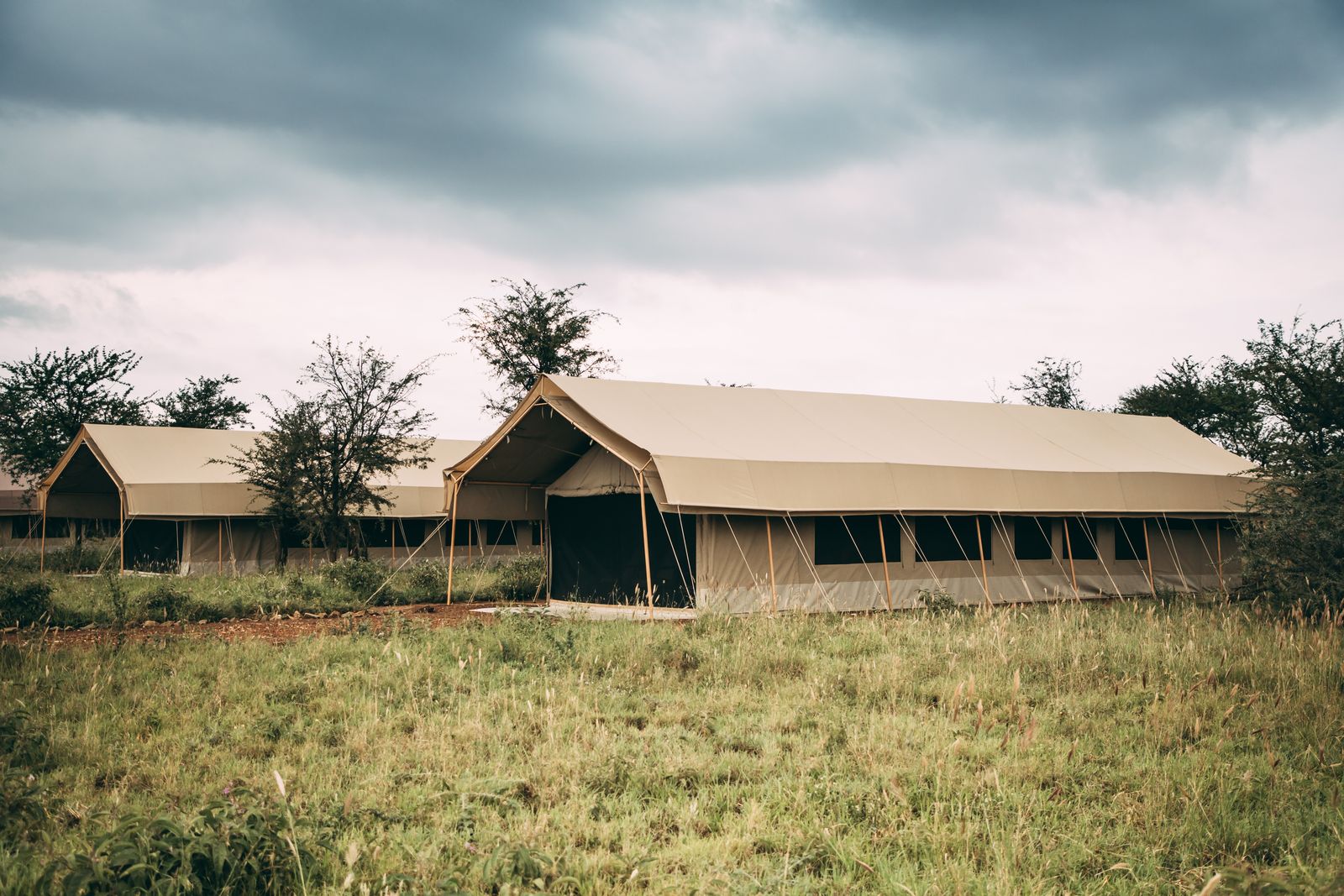
The short-grass plains are especially rewarding in the green season, when the herds gather and predator activity is high.
Explore the southern plains →Plan the route well
Tarangire, Ngorongoro and the Central Serengeti with enough time in each place.
→02Seasonal camp position, light-aircraft routing and a flexible wildlife programme.
→03Private wildlife time followed by a genuine change of pace in Zanzibar.
→Serengeti questions
Three nights is a useful minimum. Four or more gives you the freedom to visit two areas or to slow down when the wildlife is rewarding close to camp.
Both can work. Driving lets you connect the Ngorongoro Conservation Area; flying saves time and can make a northern or seasonal migration itinerary far more comfortable.
Yes. A private vehicle allows the day to respond to children’s energy levels, with family-suitable camps selected before you confirm.
Start planning
Share your dates, group and the kind of wildlife time you value. We will return with a practical private route, suitable accommodation options and clear next steps.